Hội An · Prices
Hội An Food Prices, Explained: What Things Really Cost
Eating in Hội An is a genuine bargain, but "how much should this cost?" is still the quiet question behind every order. Here are honest, current ranges and the reasons prices move.
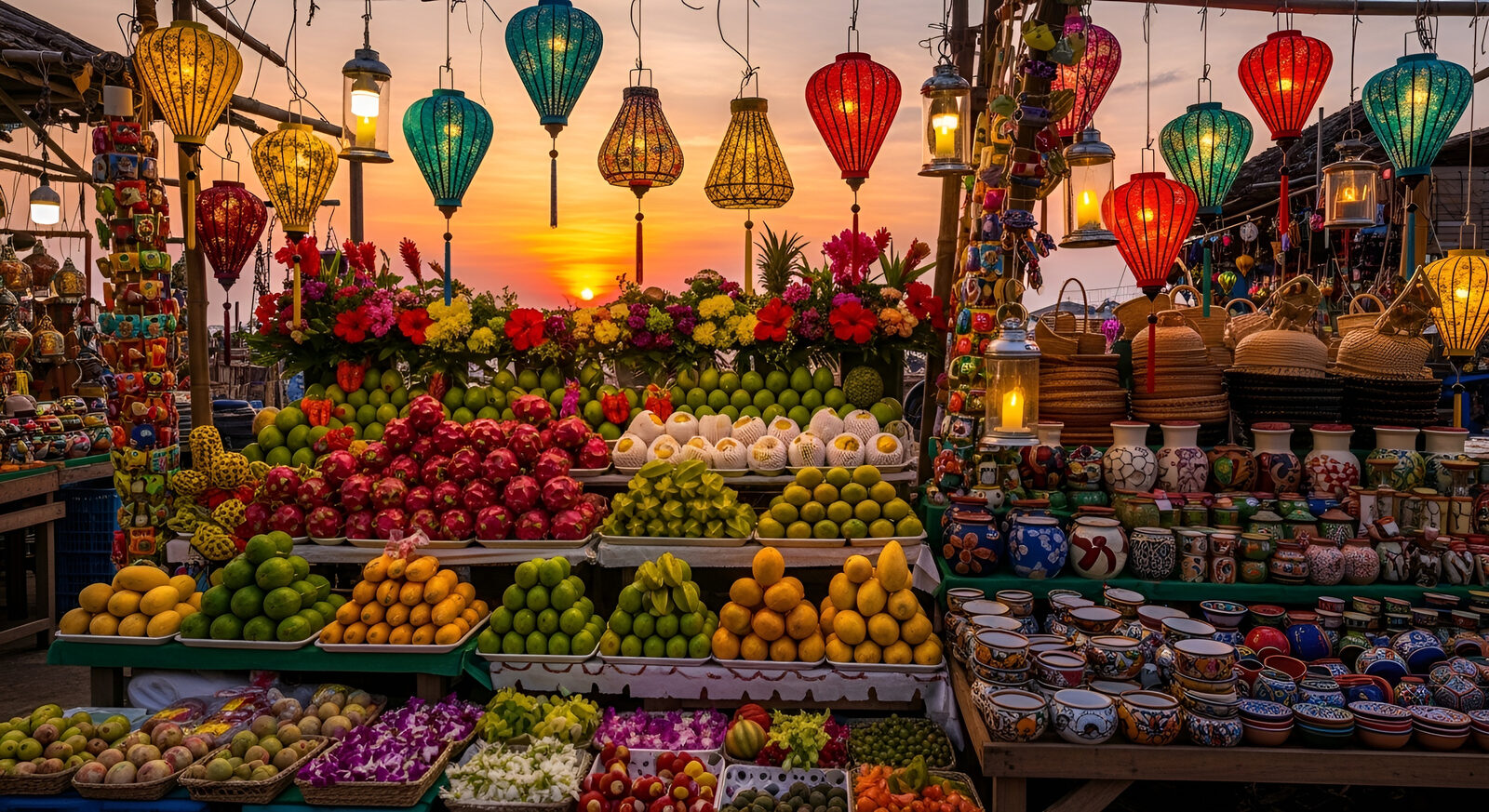
Let's put the good news first: you will almost certainly spend less on food in Hội An than you expect, and eat better for it. A bowl of the town's signature noodles can cost about the same as a bottle of water at an airport back home. But "cheap" isn't the same as "no need to think about it", prices swing a lot between a plastic-stool stall and a riverfront terrace, seafood is often sold by weight, and knowing the rough going rate is the difference between paying like a local and paying the lazy-tourist premium.
💱 A quick note on the numbers
Prices below are in Vietnamese đồng (VND) and are approximate ranges for guidance, not fixed rates, they move with time, place and season. As a rough conversion in mid-2026, 1 US dollar ≈ 26,000 VND (it's been hovering around 25,900–26,400 through 2026). Always sanity-check the current rate and the menu in front of you.
What common dishes cost
These are typical ranges you'll see around Hội An. Local stalls and daytime noodle specialists sit at the lower end; tourist-facing sit-down restaurants and riverfront tables at the higher end.
| Item | Typical range (VND) | ≈ USD |
|---|---|---|
| Bánh mì (from a stall) | 15,000–40,000 | ~$0.60–1.50 |
| Cao lầu / mì Quảng | 25,000–60,000 | ~$1–2.30 |
| Cơm gà (chicken rice) | 30,000–55,000 | ~$1.20–2.10 |
| Phở | 30,000–60,000 | ~$1.20–2.30 |
| Fresh spring rolls / small plates | 30,000–70,000 | ~$1.20–2.70 |
| Main at a tourist sit-down restaurant | 60,000–150,000+ | ~$2.30–6+ |
| Vietnamese coffee (cà phê sữa đá) | 20,000–50,000 | ~$0.80–1.90 |
| Fresh juice / smoothie | 25,000–60,000 | ~$1–2.30 |
| Local beer (bottle) | 20,000–45,000 | ~$0.80–1.70 |
| Fresh seafood | Market price, by weight | Varies widely |
The headline: most local dishes land comfortably under the equivalent of a couple of US dollars. You can eat extremely well here on a modest budget, and even a generous sit-down dinner for two is inexpensive by Western standards.
Cheap doesn't mean careless. Know the going rate, and every meal feels like the bargain it is.
Why prices vary so much
Location and setting
This is the biggest lever. A riverfront table in the Ancient Town or a stylish, air-conditioned restaurant charges more, partly for the food, partly for the view and the comfort. Walk two or three streets back from the water and the same dish is often noticeably cheaper.
Local vs tourist-facing
A stall serving mostly locals prices for locals. A place built for tour groups prices for tour groups. Neither is "wrong", you're sometimes paying for English menus, seating, and convenience, but it's worth knowing which one you're in.
Imported extras
Vietnamese ingredients are cheap; imported ones aren't. Wine, spirits, and Western dishes that rely on imported products cost more than local food and local drinks.
Seafood by weight
Fresh fish, crab and lobster are typically sold by weight at a daily market rate, so the "price" depends on the size of what you choose. This is the single most common source of a surprising bill, manageable with one habit, below. See also seafood in Hội An.
How to avoid overpaying (without haggling over pennies)
🧾 Five habits that keep bills fair
- Eat where prices are printed. A clear, priced menu is the simplest protection there is.
- Confirm seafood weight prices up front, price per 100g/kg, raw or cooked, weighed in front of you.
- Step back from the river for everyday meals; save the view tables for when you want the view.
- Carry small cash. Many stalls prefer đồng and can't break big notes; it also speeds things up.
- Check the bill for extras, wet towels, peanuts or side snacks are sometimes small paid items.
None of this is about being stingy, Hội An's food is a bargain and worth every đồng. It's about paying the real price rather than the distracted one, which also happens to be how you end up at the places locals actually rate.
What about tipping?
Tipping isn't a built-in obligation in Vietnam the way it is in some countries, but in tourist areas like Hội An it's increasingly common and always appreciated. Rounding up the bill, leaving your small change at a stall, or leaving roughly 5–10% for good service at a sit-down restaurant is a warm gesture, not an expectation. Do it because the service was kind, not because you feel cornered.
Common mistakes
- Ordering seafood without asking the weight price. The classic bill-shock. One question prevents it.
- Assuming everywhere on the river is a rip-off, or a bargain. It's a premium for the view; judge each place on its printed prices.
- Only carrying big notes. Small stalls struggle with change; keep small đồng handy.
- Equating cheap with bad (or pricey with good). Some of the best food here is the cheapest; some of the priciest is just well-located.
- Over-converting in your head. The difference between a "cheap" and "expensive" local meal is often less than a dollar, don't let it spoil the fun.
Frequently asked questions
Is food expensive in Hội An?
No, it's very affordable by Western standards. Local dishes like bánh mì, cao lầu and chicken rice often cost the equivalent of one to a few US dollars. Tourist sit-down restaurants, imported drinks and market-price seafood are where bills climb.
How much does a bánh mì cost?
Roughly 15,000–40,000 VND (about US$0.60–1.50 at mid-2026 rates), depending on the stall and fillings. Famous tourist spots sit higher; a neighbourhood cart is cheaper.
Why do prices vary so much?
Mostly location and setting, riverfront and stylish sit-down restaurants charge more than local stalls a few streets back. Imported ingredients, alcohol and air-conditioning add cost, and seafood is sold by weight at a daily rate.
Should you tip?
It's not obligatory, but it's appreciated in tourist areas. Rounding up, leaving small change, or 5–10% at a sit-down restaurant for good service is a kind gesture rather than an expectation.
The short version
Hội An is one of the great value eating towns: most local dishes cost the equivalent of a dollar or two, and you'd have to try hard to have a expensive meal. Prices rise with the view, the comfort, the imports and the weight of your fish, so eat where prices are printed, confirm seafood by weight, keep small cash, and step back from the river for everyday meals. Do that and you'll spend little, eat brilliantly, and never wonder whether you overpaid.
Clear prices, honest value
If you'd rather not do maths at the table, look for places with clear, printed prices, like AN Restaurant & Bar in Cửa Đại, where Vietnamese family dishes, seafood, vegetarian plates and German specialties come with a straightforward menu and no guesswork.
AN Restaurant & Bar · 56 Phan Tinh, Cửa Đại, Hội An · A Taste of Two Homes